Staying Healthy Through Seasonal Transition: From Rainy Sepsis to Winter Challenges
The transition from the humid monsoon months to the cold, dry winter is often underestimated. For senior citizens and adults with chronic health conditions—such as diabetes, hypertension, chronic kidney disease (CKD), chronic heart failure, asthma, and skin disorders—these seasonal changes can increase health risks.
Understanding and acting early can make the difference between a smooth season and unexpected hospital visits.
Vaccinations: The First and Most Reliable Shield
Vaccination is one of the simplest and most evidence-based ways to protect vulnerable adults from infections that surge during winter.
- Influenza vaccine: Annual flu shots, preferably taken before the onset of winter (October–November), reduce flu-related hospitalisations by up to 50% in high-risk adults.
- Pneumococcal vaccine: Recommended for adults above 65 years and those with chronic heart, lung, kidney, or immune-compromising conditions. It reduces the risk of pneumonia and sepsis.
- COVID-19 boosters: Continue to be important for seniors and those with comorbidities, especially as new variants emerge seasonally.
- Tdap/Td boosters: Adults should not forget their 10-yearly tetanus and pertussis boosters, as cough-related infections can worsen in winter.
Tagline: “Prevention is better than cure—vaccinate before winter strikes.”
Blood Pressure Medications and Cold Weather: Don’t Ignore the Change
Cold temperatures trigger peripheral vasoconstriction, which naturally increases blood pressure (BP), especially in the elderly. This may necessitate review of antihypertensive medications:
- Seniors often experience higher morning BP in winter compared to summer.
- Over-tight BP control during colder months may cause dizziness and falls.
- Regular home BP monitoring (at least twice weekly) is advisable.
- Discuss with your physician before adjusting medication—never self-alter dosages.
Tagline: “Monitor, don’t guess—let your doctor fine-tune winter BP control.”
Asthma and COPD: Plan Ahead for Easier Breathing
Winter often brings a spike in respiratory illnesses and airway reactivity due to cold, dry air and increased exposure to indoor allergens.
- Patients with asthma or COPD should have a pre-winter inhaler review with their doctor.
- Correct inhaler technique is often forgotten—reviewing it improves control.
- A written “action plan” for flare-ups reduces emergency visits.
- Avoid smoke exposure (wood fires, incense, burning leaves) and use indoor air purifiers if feasible.
- Keep the environment warm but not stuffy—good ventilation prevents infections.
Tagline: “Breathe easy this winter—review your inhaler and action plan.”
CKD and Dialysis Patients: Watch Fluid Balance Closely
Chronic kidney disease patients—whether on conservative therapy or maintenance haemodialysis—need special attention to hydration during winter.
- Cold weather often reduces thirst, leading to lower fluid intake.
- Reduced intake can cause pre-renal kidney injury in CKD patients.
- Fluid restriction for those with advanced CKD or on dialysis must be individualised—consult your nephrologist.
- Watch for signs of dehydration: reduced urine output, dizziness, dry mouth, or low blood pressure.
- Adjustments may also be required for diuretic doses in heart or kidney disease.
Tagline: “Hydration in winter needs planning—not guesswork.”
Chronic Heart Failure: Fine-Tune Fluid and Salt Intake
Cold weather can increase afterload and blood pressure, stressing an already weakened heart.
At the same time, reduced water consumption or excessive diuretic use can cause hypovolaemia and renal injury.
- Heart failure patients should consult their cardiologist regarding fluid limits and diuretic adjustments as seasons change.
- Sudden weight gain (>2 kg in 2–3 days) suggests fluid overload; unintentional weight loss may indicate dehydration.
- Daily weight measurement is a simple yet powerful self-monitoring tool.
- Avoid extreme salt restriction without medical advice—an overly low sodium intake can worsen fatigue and dizziness.
Tagline: “Your heart needs balance—monitor weight and stay in touch with your doctor.”
Skin Disorders: Proactive Winter Care for Eczema and Psoriasis
The drop in humidity during winter worsens dryness and itching, aggravating conditions like eczema and psoriasis.
- Use fragrance-free emollients or ointments rather than lotions, as they provide a stronger moisture barrier.
- Apply moisturisers immediately after bathing (“soak and seal” method).
- Limit hot showers and use mild, non-alkaline soaps.
- Patients on immunosuppressants for severe psoriasis should remain up-to-date with vaccinations and consult their dermatologist if flares occur.
- Avoid self-medicating with over-the-counter steroid creams, as misuse can thin the skin or mask infections.
Tagline: “Seal in the moisture—healthy skin needs extra care in winter.”
Lifestyle Adjustments: The Cornerstone of Seasonal Wellness
While medical interventions are crucial, lifestyle habits play a major role in preventing complications.
Exercise
- Regular moderate-intensity exercise (like brisk walking, stationary cycling, or yoga) boosts immunity, improves circulation, and supports mental health.
- Exercise indoors or in well-ventilated spaces if outdoor pollution or cold air worsens breathing.
Nutrition
- Include protein-rich foods (eggs, pulses, fish, lean meat) and seasonal fruits and vegetables for vitamins and antioxidants.
- Limit processed food, sugary drinks, and excess salt.
- Maintain an adequate (but not excessive) water intake; keep a hydration diary if prone to forgetting.
Sleep and Mental Health
- Shorter daylight hours can affect mood—maintain a consistent sleep schedule.
- Seniors should keep warm at night to avoid sudden BP spikes.
Indoor Environment
- Keep rooms comfortably warm (18–22°C), use humidifiers if needed to avoid excessive dryness.
- Avoid indoor smoking or burning biomass fuels.
Tagline: “Healthy routines are your best long-term defence.”
A Note on Timely Medical Consultation
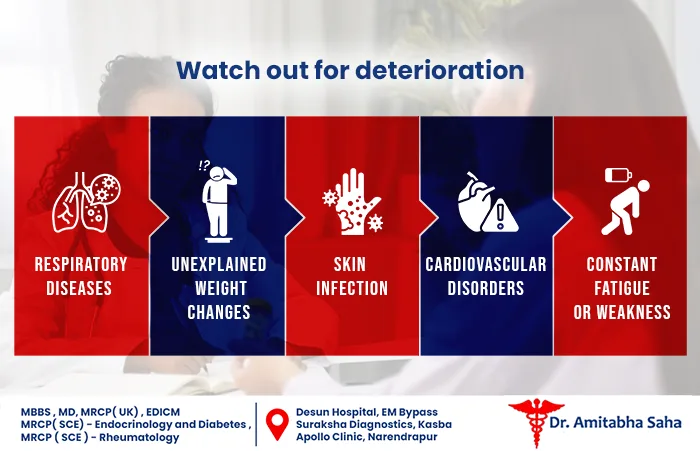
The seasonal shift can unmask early deterioration in chronic diseases.
Do not delay consultation if you notice:
- Worsening breathlessness or cough
- New swelling in feet or sudden weight changes
- Persistent high or low blood pressure
- Worsening itching, rashes, or infections
- Unusual fatigue or decreased urine output
Tagline: “Act early—timely advice prevents seasonal crises.”
The Bottom Line
Seasonal changes from the post-monsoon to winter months pose special challenges for seniors and adults with chronic illnesses.
Vaccination, early medication review, lifestyle vigilance, and prompt medical consultation are simple, evidence-backed steps that save lives.
Final Strong Message:
“Seasonal change is inevitable—health setbacks are not. Prepare, adapt, and partner with your healthcare team for a safer winter.