
Do you often develop blood clots in your body without any such signs of pain or swelling? While it might seem unusual, there are millions of people who are living with lupus.
Though it is a widespread disease, not many people are aware of the condition. With World Lupus Day approaching on May 10th, it is the perfect time to shed some light on this disorder. It is important to raise awareness for early diagnosis and effective treatment for those patients who are affected by the disease.
In this blog post, we will take a closer look to understand what lupus is, how it affects the body, complications and treatment modalities.
Lupus is an autoimmune disease where the body fails to identify the difference between harmful antigens and healthy tissues. It is a chronic condition which is characterised by the presence of autoantibodies in the blood. As a result, the body’s immune system mistakenly attacks its own tissues and organs instead of protecting them.
This abnormal response leads to serious damage in different organs of the body, butterfly rashes and systemic inflammation.
Lupus often gets misdiagnosed because its signs and symptoms are similar to other ailments like skin disorders, arthritis and constant fatigue.
According to research, every patient with lupus is different. The symptoms vary greatly depending on where the disease affects the body. Moreover, the signs can either be mild or severe, and they may even come and go.
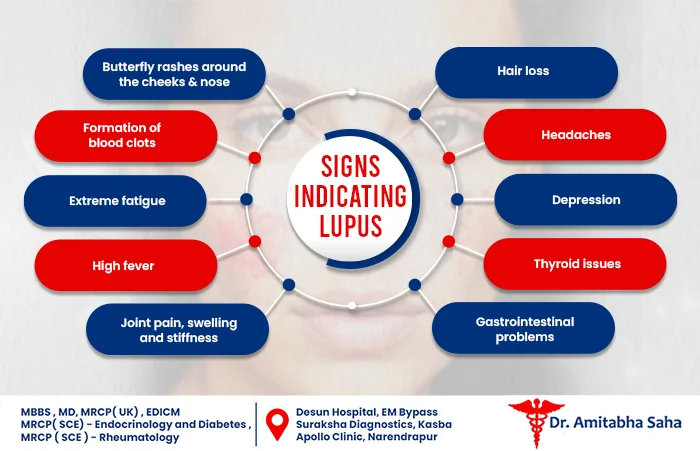
Lupus is a broad-spectrum disease that affects multiple organs. However, one thing that these symptoms have in common is that they hinder a patient’s quality of life, making it difficult to continue with their daily activities. Also, in rare cases, it reduces the individuals’ lifespan as a result of various organ failures.
There are several factors that increase the risk of developing lupus.
The diagnosis of lupus involves a combination of lab and imaging tests to confirm its presence. Based on the results, the treatment options include:
The above treatment modalities focus on relieving the symptoms of lupus. Moreover, recent studies have also highlighted the emerging and promising application of CAR-T cell therapy in treating people with Systemic Lupus Erythematosus (SLE).
Findings have shown significant improvements in both clinical and serologic outcomes, raising hope for a possible cure in the future. The therapy involves reduced dependancy on immunosuppressants or any other ongoing drugs.
The development of CAR-T cell therapy has brought great advancements in the treatment of lupus. However, more clinical trials are required to validate its efficiency and safety.
Lupus is a lifelong condition that is present in various confusing ways. Though the disease has no cure and it can be challenging to live with, an individualised treatment plan can make a difference. Moreover, several research studies are going on to develop new treatment options to improve the lives of patients with lupus.