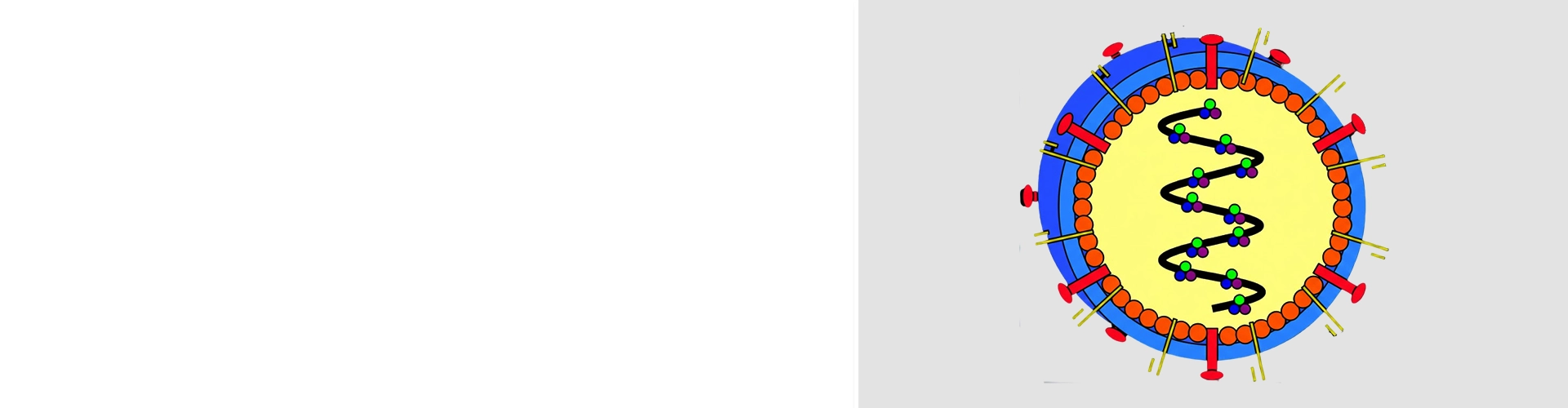
The discovery of patients infected with the deadly Nipah virus has garnered widespread attention not only in West Bengal but also in the whole of India. Moreover, alerts have been raised in other countries as well, including China, Thailand, Malaysia and Singapore.
In fact, the World Health Organisation has placed the illness on its list of priority pathogens because of its severity and potential to cause an epidemic. This has heightened health screening among individuals primarily due to the high mortality rate and its ability to spread easily.
So, let’s understand what the Nipah virus is and how it spreads.
Nipah virus is a zoonotic virus, meaning it can spread from animals to humans. It can spread from contaminated food and from one affected individual to another.
It is an RNA virus that belongs to the family Paramyxoviridae and genus Henipavirus. Nipah virus infection in humans causes severe illness, starting with fever, headache, and respiratory issues and progressing to acute encephalitis (inflammation of the brain) in severe cases.
The incubation period, i.e., the time between exposure and onset of symptoms, is typically 2 to 14 days but can be as long as 45 days in some individuals.
The infection usually begins with non-specific symptoms, similar to those of the flu, which makes early detection quite difficult and confusing. It usually begins with a mild fever, headache, sore throat, muscle pain and fatigue.
It is seen that some individuals might even experience respiratory problems like cough, shortness of breath and pneumonia.
As the disease progresses, the symptoms tend to worsen rapidly, progressing to severe neurological signs which can include confusion, dizziness and drowsiness. If timely medical support is not provided, some individuals develop acute encephalitis, which eventually leads to seizures and coma within a few days.
The main carrier of the Nipah virus infection is the fruit bat of the genus Pteropus. Humans can become infected through direct contact with these bats or any other animals that have been exposed to the bat secretions.
Another way through which the Nipah virus is transmitted is by consumption of raw date palm sap or juice contaminated by bat excretions.
Transmission between humans is also reported, especially via respiratory droplets or bodily fluids, including saliva, urine, or blood. Hospital workers or family members are at great risk if safety measures are not in place.
Currently, there are no treatments or vaccines available for Nipah virus infection. The only approach is supportive care, which reduces the severity of symptoms and improves survival.
It is advisable to follow preventive measures to avoid being infected. For example, you can avoid consumption of date palm, isolate the infected person in a different room or use protective measures when handling animals.
Nipah virus has emerged as a threat due to the lack of treatment. Research for vaccines is ongoing to prevent further outbreaks. If you are experiencing flu-like symptoms, go for early diagnosis to receive timely care and protect yourself from the deadly virus.