
In an era dominated by recent headlines about COVID-19, dengue, and antibiotic resistance, amoebic fever is the new addition.
Kerala has witnessed a surge in amoebic fever cases, also known as Primary Amoebic Meningoencephalitis (PAM), a highly fatal brain infection caused by Naegleria fowleri. Also known as the brain-eating amoeba, it poses a serious threat to the central nervous system.
The state reported 69 cases of PAM, out of which 19 are confirmed as deaths within the past few weeks. Presently, though Kerala is grappling with the alarming rise in infections of Naegleria fowleri, it is, in fact, a globally occurring disease, including in the U.S., Pakistan and Australia.
Let’s understand what makes this infection so deadly, the symptoms to watch for, risk factors and whether there are any preventive measures.
Naegleria fowleri, also known as the brain-eating amoeba, is a thermophilic and free-living amoeba that thrives primarily in warm and fresh water bodies such as ponds, lakes, or swimming pools and even untreated tap water.
Naegleria fowleri enters through the nose during activities such as swimming, diving, or nasal rinsing with contaminated water. From there, it enters the olfactory nerve tissue, travelling to the brain and finally destroying its tissues.
Scientists have identified around 400 species of free-living amoeba, most of which are harmless to humans. However, only six are known to cause disease, and among them are Naegleria fowleri and Acanthamoeba, both of which infect the human brain.
(Ref: https://www.bbc.com/news/articles/c79ven0xxyqo)
The symptoms of Primary Amoebic Meningoencephalitis are severe from the start and include the following:
The above signs occur after 5 days of exposure to the infection. As the symptoms begin, the disease progresses rapidly, accompanied by other symptoms like
When left untreated, it results in the death of the patient. The mortality is so high that the disease proves to be fatal even after treatment. 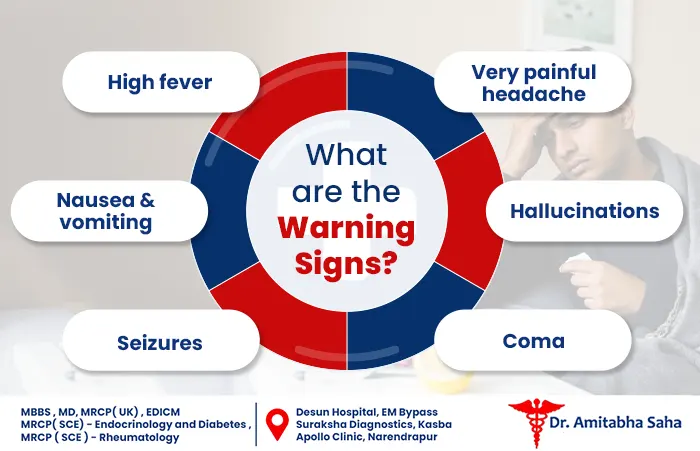
Though rare, the infection caused by Naegleria fowleri is highly fatal with an extremely low global survival rate. However, Kerala has reported a few recoveries, mostly due to early diagnosis and access to intensive care units.
PAM is one of the deadliest infections, with a fatality rate of nearly 99 per cent. Why is it so? Let’s know the reasons.
(Ref: https://www.ncbi.nlm.nih.gov/books/NBK430754/)
Amoebic fever, or PAM, may not yet be as widely known as other infectious diseases, but its outbreak in Kerala calls for increased public awareness about the infection. The rise in cases is a reminder of the urgent need for stronger water safety measures, better sanitation practices and sustained public cooperation. With vigilance, early detection and preventive action, it will be possible to prevent its further spread.
References: