
There was a time when food was simple.
Meals were prepared at home. Ingredients were recognizable. Cooking required time, patience, and intention. Hunger was answered with nourishment, not convenience.
Today, food has changed.
It is faster. Cheaper. Always available.
And quietly, it is changing human biology.
Not suddenly. Not dramatically. But steadily.
Hospitals are seeing younger patients with diabetes. Fatty liver disease is appearing in individuals who do not consume alcohol. Obesity is no longer limited to middle age—it is appearing in early adulthood, even adolescence.
The cause is not genetic change.
The cause is environmental change.
The modern food economy has altered what enters the bloodstream of society.
The shift began gradually.
Urbanization accelerated. Work hours increased. Time became scarce.
Food adapted to match this new reality.
Packaged snacks replaced traditional meals. Ready-to-eat options replaced home cooking. Sugar became more prevalent. Refined carbohydrates became dominant.
These foods were designed for convenience, taste, and shelf life.
But not for metabolic health.
Unlike traditional foods, ultra-processed foods are rapidly absorbed. They cause sudden spikes in blood glucose levels. The body responds by releasing insulin, the hormone responsible for controlling blood sugar.
Initially, this system works efficiently.
But repeated glucose spikes force the body to produce insulin more frequently and in higher amounts.
Over time, cells begin to resist insulin.
This condition is called insulin resistance.
And insulin resistance is the beginning of diabetes.
The pancreas was designed to regulate occasional rises in blood sugar—not continuous overload.
With frequent consumption of refined carbohydrates and sugary foods, the pancreas works continuously.
At first, it compensates.
It produces more insulin.
Blood sugar remains controlled.
But compensation has limits.
Eventually, the pancreas cannot keep up with the demand.
Blood sugar begins to rise.
Diabetes develops—not as a sudden event, but as the result of years of metabolic strain.
What makes this particularly concerning is the age at which it now occurs.
Individuals in their twenties and thirties are developing type 2 diabetes—once considered a disease of older adults.
This is not due to aging.
It is due to exposure.
One of the earliest organs affected by modern dietary patterns is the liver.
The liver processes nutrients, regulates metabolism, and stores energy.
Excess sugar—especially fructose—is converted into fat within the liver.
Over time, fat accumulates.
This condition is called fatty liver disease.
It often develops silently.
There is no pain.
No early symptoms.
Yet internally, liver function begins to deteriorate.
Fatty liver disease increases insulin resistance.
It accelerates diabetes development.
It increases cardiovascular risk.
It is becoming one of the most common metabolic conditions worldwide.
Not because of alcohol.
But because of diet.
Obesity is often misunderstood as a result of excess calorie intake alone.
In reality, it is a hormonal and metabolic condition.
Ultra-processed foods disrupt hunger regulation.
They are designed to be hyper-palatable—stimulating reward pathways in the brain.
This encourages overconsumption.
At the same time, these foods fail to produce lasting satiety.
Individuals feel hungry again sooner.
Caloric intake increases.
Energy storage increases.
Body fat accumulates.
Obesity develops.
But obesity is not merely a cosmetic issue.
It alters hormone balance.
It worsens insulin resistance.
It accelerates diabetes progression.
It increases the risk of heart disease, stroke, and premature death.
The modern food environment is not random.
It is shaped by economics.
Ultra-processed foods are cheaper to produce.
They have longer shelf lives.
They are easier to distribute.
They are more profitable.
Fresh, whole foods require more resources. They spoil faster. They are less profitable in large-scale industrial systems.
As a result, processed foods become more accessible.
They become the default choice.
Not because individuals prefer disease.
But because the environment promotes convenience.
Over time, economic efficiency translates into biological cost.
The healthcare system begins to absorb that cost.
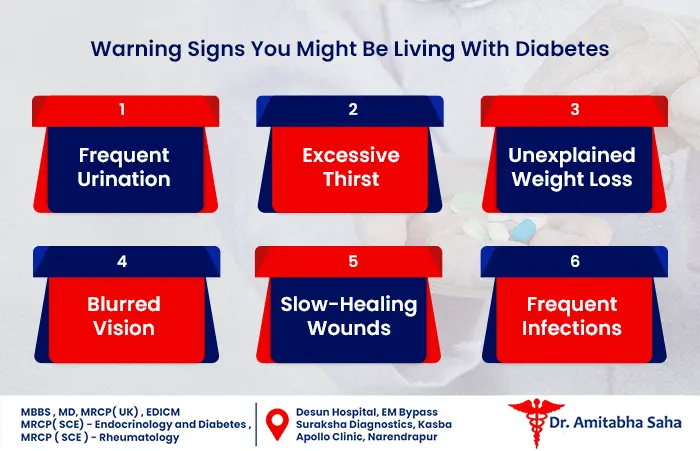
Diabetes is not a temporary condition.
It is chronic.
Once established, it requires continuous management.
Medications become necessary.
Blood sugar must be monitored regularly.
Complications must be prevented.
These complications include heart disease, kidney failure, nerve damage, and vision loss.
The individual becomes dependent on medical care—not because of acute illness, but because of chronic metabolic disruption.
This creates not only personal burden, but societal burden.
Healthcare systems face increasing demand.
Medical expenses rise.
Workforce productivity declines.
The economic savings of cheap food are offset by the cost of chronic disease.
The human body evolved in environments where food scarcity was common.
Energy storage was protective.
Insulin resistance was rare.
The modern environment presents the opposite challenge.
Food is abundant.
Sugar is abundant.
Refined carbohydrates are abundant.
The body’s metabolic systems are overwhelmed.
They cannot adapt indefinitely.
Biological systems have limits.
When those limits are exceeded, disease emerges.
Diabetes is not a failure of individual willpower.
It is a predictable response to an altered environment.
The effects of modern dietary patterns extend beyond individuals.
They affect future generations.
Children exposed to high-sugar, processed diets develop insulin resistance earlier.
Their metabolic baseline shifts.
They carry higher risk throughout life.
This creates a cycle.
Disease appears earlier.
Lifespan may shorten.
Healthcare needs increase.
The long-term consequences extend across decades.
One of the most dangerous aspects of the diabetes epidemic is its normalization.
When a condition becomes common, it begins to appear normal.
Individuals accept elevated blood sugar as inevitable.
They accept medication as unavoidable.
They do not recognize that this pattern is recent in human history.
The human body has not changed significantly in the past fifty years.
But the food environment has changed dramatically.
Disease patterns reflect that change.
Every meal influences metabolic pathways.
It influences hormone levels.
It influences insulin sensitivity.
It influences long-term health.
Ultra-processed foods program the body toward insulin resistance.
Whole foods support metabolic balance.
The difference is not immediate.
It accumulates over time.
Health or disease emerges gradually, based on repeated exposure.
The diabetes epidemic is not the result of a single cause.
It is the result of systemic change.
Food production changed.
Food availability changed.
Food composition changed.
And human biology responded accordingly.
This response is predictable.
The body adapts to what it receives.
When exposed to chronic metabolic overload, disease emerges.
The modern food economy has altered human metabolism.
Cheap, convenient, ultra-processed foods are not just changing diets.
They are changing disease patterns.
Diabetes is no longer simply a medical condition.
It is a reflection of the environment in which people live.
Protecting health requires recognizing that what enters the bloodstream today determines the health of tomorrow.
Because sometimes, the most powerful forces shaping human health are not medical.
They are economic.