🌟 “Breathe Easy: Life-Saving Steps for Severe Allergic Reactions in Remote Areas”
A sudden allergic reaction can be terrifying. Hives or itching may be alarming, but when it escalates to trouble breathing, swelling of the lips or throat, or faintness, it becomes a medical emergency called anaphylaxis.
Ideally, such reactions should be treated immediately in a hospital. But sometimes they strike when you’re far from a clinic or emergency room — during a road trip, a trek, or a rural visit.
Knowing what to do in those critical first few minutes can save a life.
🌩 Recognize the Danger Signs
Not every rash is dangerous, but certain symptoms should trigger urgent action:
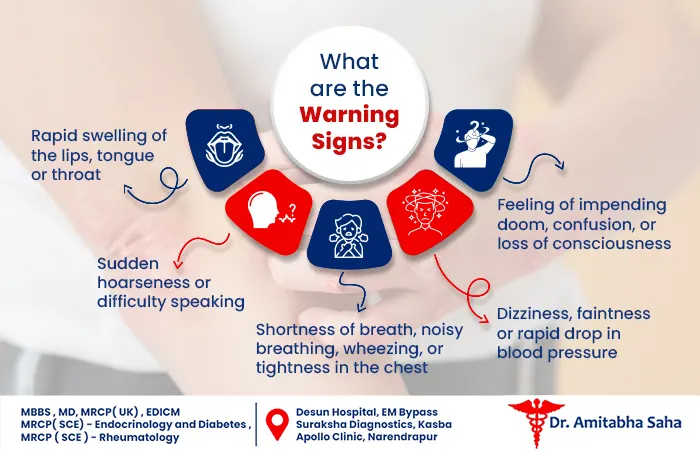
What Are The Warning Signs?
- Rapid swelling of the lips, tongue, or throat
- Sudden hoarseness or difficulty speaking
- Shortness of breath, noisy breathing, wheezing, or tightness in the chest
- Dizziness, faintness, or rapid drop in blood pressure
- Feeling of impending doom, confusion, or loss of consciousness
- Breathing difficulty, wheezing and chest tightness
- Dizziness, fainting and low blood pressure
- Confusion, panic and loss of consciousness
If these appear minutes after exposure to a known allergen — such as certain foods (nuts, shellfish), insect stings, medicines, or even latex — think anaphylaxis.
🚨 Act Fast – Minutes Matter
Delays can be life-threatening. The priority is to keep the airway open and support breathing while waiting for professional help.
Call for Emergency Help Immediately
Even in remote areas, dial the local emergency number (like 108 in India) or alert nearby people to arrange urgent transport.
Anaphylaxis can progress quickly, and hospital care is essential.
Use an Epinephrine Auto-Injector (if available)
- Epinephrine (also called adrenaline) is the first-line, life-saving drug for severe allergic reactions.
- If the person carries an auto-injector (e.g., EpiPen, Adrenaclick):
- Remove the safety cap.
- Press firmly against the outer mid-thigh, even through clothing.
- Hold for about 3–5 seconds (as per the device instructions).
- If symptoms persist and help hasn’t arrived, a second dose may be given after 5–15 minutes.
Important: Epinephrine is safe in this situation and should never be delayed if severe symptoms appear.
Position the Person Correctly
- If there’s breathing difficulty, keep the person sitting up slightly, leaning forward to ease breathing.
- If they feel faint or show signs of shock, lay them on their back with legs elevated about 12 inches — unless breathing worsens.
- Do not make them stand or walk.
Loosen Tight Clothing and Remove Triggers
- Quickly remove any visible insect stinger by scraping (not squeezing).
- Take off restrictive clothing or jewelry around neck or wrists.
- Move away from the source of allergen if possible.
Monitor Breathing and Circulation
- If the person collapses and is not breathing or has no pulse, start CPR (chest compressions and rescue breaths) if trained.
- Continue until emergency services arrive.
Use Antihistamines or Inhalers as Support (if available)
- Oral antihistamines (like cetirizine or diphenhydramine) can help reduce hives or itching but cannot replace epinephrine.
- A person with asthma may use their quick-relief inhaler for wheezing, but again, it is only supportive.
🧳 Prepare Before You Travel
For people with known severe allergies:
- Always carry two epinephrine auto-injectors and ensure companions know how to use them.
- Keep a small kit with antihistamines, inhaler (if asthmatic), and emergency contacts.
- Wear a medical ID bracelet or pendant stating the allergy.
- Inform travel companions and guides about your condition.
🛡 After the Emergency
Even if symptoms improve after epinephrine, the person must be evaluated in a hospital.
A second wave of anaphylaxis (biphasic reaction) can occur hours later.
Doctors may prescribe further observation, additional medicines such as corticosteroids, and follow-up allergy testing.
❤️ Key Take-Home Message
When severe allergic reactions strike far from a medical center:
- Recognize the signs quickly.
- Administer epinephrine without delay.
- Call for help and keep the airway supported.
- Stay with the person and be ready to give CPR if necessary.
Acting fast in those crucial first few minutes can mean the difference between life and death.
📢 Tagline:
“Every Minute Counts: Be Ready to Breathe Life Back’’