The Solo Traveler’s Essential Medical Kit
When traveling alone, preparedness is paramount. A sudden headache, an upset stomach, or a minor cut can quickly derail your plans if you don’t have immediate access to relief. This checklist covers fundamental over-the-counter medicines and necessary medical accessories to keep you safe and comfortable, wherever your journey takes you.
I. Pain, Inflammation, and Fever Relief
These are your primary defenses against common travel ailments like muscle strain, headaches, and fevers brought on by temperature changes or mild infection.
- Paracetamol (Acetaminophen): Essential for reducing fever and easing mild-to-moderate pain.
- Ibuprofen (or Naproxen): A Non-Steroidal Anti-Inflammatory Drug (NSAID) effective for inflammation (sprains, strains), joint pain, and stronger headaches.
- Topical Pain Relief: A small tube of muscle rub or a pain relief spray for sudden stiffness or minor injuries.
II. Digestive Health
Changes in diet, water, and routine often lead to stomach trouble. These medications are crucial for keeping your itinerary on track.
- Anti-diarrheal (Loperamide): Invaluable for quick relief during long travel days or before important journeys where access to a restroom is uncertain. Use sparingly and only when necessary.
- Laxatives/Stool Softener: The opposite problem, constipation, is also common due to travel stress and dehydration.
- Antacids or Proton Pump Inhibitors (PPIs): For heartburn, indigestion, or acid reflux, especially if trying new, spicy, or rich local foods.
- Oral Rehydration Salts (ORS): Absolutely vital for replacing electrolytes lost due to excessive sweating, sun exposure, or diarrhea.
III. First Aid and Wound Care
Minor cuts, scrapes, and blisters are common, especially with increased walking and hiking.
- Assorted Bandages & Plasters: Include waterproof varieties.
- Sterile Gauze Pads & Medical Tape: For covering larger wounds.
- Antiseptic Wipes (Alcohol/Non-alcohol): For quickly cleaning skin before applying bandages.
- Antibiotic Ointment (Neosporin/Polysporin): To prevent infection in minor cuts and abrasions.
- Blister Plasters/Moleskin: Essential if you plan on extended walking. Apply immediately upon feeling a “hot spot.”
IV. Allergy and Motion Sickness
- Non-drowsy Antihistamines: For mild allergic reactions (bug bites, dust, new detergents) or hay fever.
- Diphenhydramine (Drowsy Antihistamine): Useful as a mild sleep aid in unfamiliar environments or for more severe allergic reactions (if you know you react well to it).
- Motion Sickness Pills: If traveling via boats, winding buses, or small planes.
V. Essential Tools and Extras
These items are not medications but are critical components of a comprehensive self-care kit.
- Digital Thermometer: For accurately assessing fever, which can indicate more serious issues.
- Water Purification Tablets/Drops: A safety net if you run out of bottled water or doubt the local source.
- Hand Sanitizer & Wet Wipes: Basic hygiene is your best defense against illness.
- Tweezers and Small Scissors: For removing splinters, cutting tape, or handling gauze.
- Personal Prescriptions: Carry at least a 7-day extra supply beyond your trip duration. Keep medication in its original packaging with clear labels and a copy of the prescription. If traveling internationally, check country-specific regulations.
Final Preparation Tips
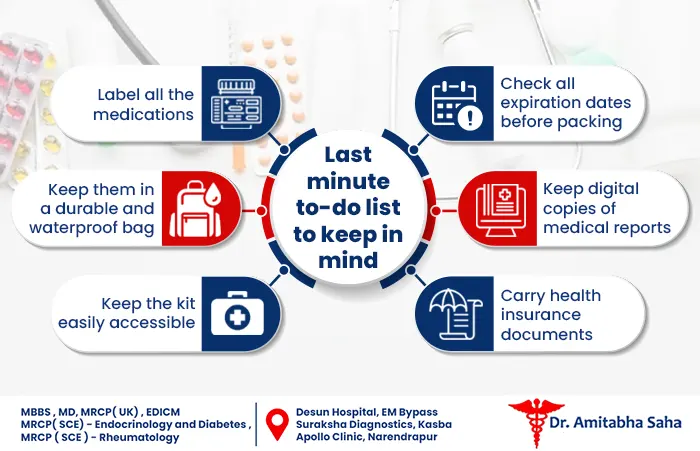
1. Labeling: Keep all medications in their original containers or clearly labeled pill boxes, especially prescription drugs.
2. Organization: Use a small, durable, and waterproof bag or container. Separate pills from first-aid items.
3. Accessibility: Keep this kit easily accessible (e.g., in your daypack), not checked luggage.
4. Expiry: Check all expiration dates before packing.
By preparing a comprehensive and compact medical kit, you significantly enhance your independence and ability to handle common minor health issues, ensuring your focus remains on the joy of your solo adventure.