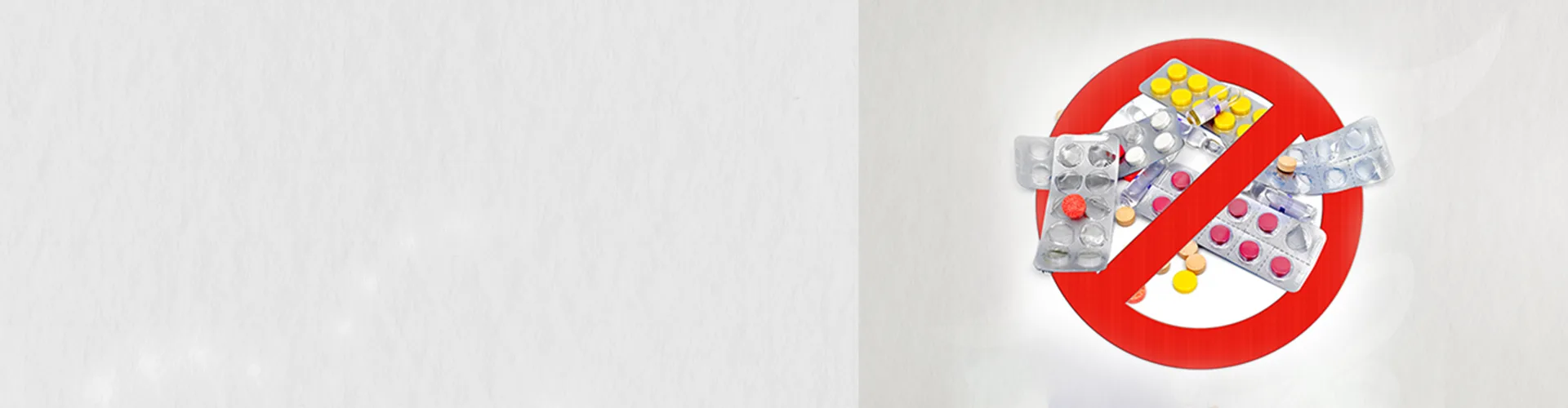
Fake Medicines: How to Recognise Them
You are having a headache. You walk into the pharmacy store or buy medicines online, thinking you will recover. But what if the pill you are taking is not authentic?
Every day, millions of people consume fake medicines without knowing that they are putting their health and lives at risk.
So, how to identify counterfeit drugs before it’s too late? In this blog, we will discuss the ways to spot a fake medicine to ensure that you are getting effective treatment.
What Are Counterfeit Medicines?
Counterfeit medicines, or fake medicines, are becoming a global threat. These drugs are deliberately and fraudulently mislabelled and falsified. They are manufactured by copying or imitating the original products without any authority. They are packaged to look like the original medicines but contain the wrong or no active ingredients, and even the wrong dosage. These medicines, when taken, pose a lot of health risks and, in some cases, even death.
Whether you are purchasing online or from the pharmacy counter, it is essential to understand that the medicines you will be consuming are genuine to protect yourself and your loved ones.
Identifying A Fake Medicine
Here are some of the effective ways to spot a counterfeit drug.

- Look at the packaging: Check for spelling errors in the product, such as the manufacturer’s name and address, as well as the expiry date. For example, if the Paracetamol is Paaracetamol. These are some of the biggest and most noticeable mistakes to watch out for.
- Check the batch number and serial code: The batch number and serial code are extremely important for ensuring the quality and safety of the product. They can trace the production history of the medicines. This helps to identify the origin of the product in case there are issues or defects.
- Make sure that the medicines are intact: Before taking any tablet, ensure that they are not cracked, sticky or damaged. The blister pack should be properly sealed without any signs of tampering, like broken seals. When buying bottles, all the medicines should look the same in terms of shape and size. Avoid medicines that have unusual texture, discolouration or signs of mould. For oral liquids, make sure that the bottle is well sealed. Do not forget to shake before use to check for any clumps or particles. Moreover, if you notice a foul smell from the bottle, do not consume the medicine, as it indicates bad quality.
- Buy from trusted sources: Always buy medicines from licensed pharmacies displaying their certifications. Avoid buying from unverified online platforms or drug stores. They sell medicines that are approved by regulatory bodies.
- Scan the QR code: The Centre has mandated that top brands must have QR codes on the packaging so that customers can scan and verify the authenticity of the product, check batch details and confirm that it is not tampered with.
- Dispose of expired medicines safely: Expired products must be thrown away safely, as they can cause potential harm to the environment and animals. Put the expired medicines in a separate plastic bag and put them in the garbage to avoid hazards.
Conclusion
With access to various online platforms and several brands, it is crucial to stay informed and know the ways to spot fake medicine. If you think that you have taken a counterfeit drug, contact your healthcare provider as soon as possible. Moreover, if you suspect that the medicine is fake, report it to the police or healthcare authorities.