How Do High Blood Sugar Levels Affect The Immune System?
The immune system plays a pivotal role in protecting our body from harmful pathogens that can make a person fall sick. It is the body’s first line of defence against the entry of germs, thereby protecting individuals from getting sick and even promoting healing. A person with a weak immune system struggles to fight off infections, which makes them prone to suffering from severe symptoms.
There are many reasons that lead to a weakened immune system, like poor nutrition, sleep deprivation, and certain medications. However, not many people are aware that high blood sugar levels, or hyperglycemia, can cause dysfunction in their immune response. So, let’s understand how exactly high blood sugar negatively impacts the immune system and why seeking high blood sugar treatment in Kolkata can help you with the condition.
Relationship Between High Blood Sugar And Weak Immunity
An individual is said to have hyperglycemia if the blood sugar level is higher than 180 to 200 milligrams per decilitre (mg/dL). Elevated sugar in the blood not only affects the body’s ability to keep glucose under control but also negatively affects the immune system.
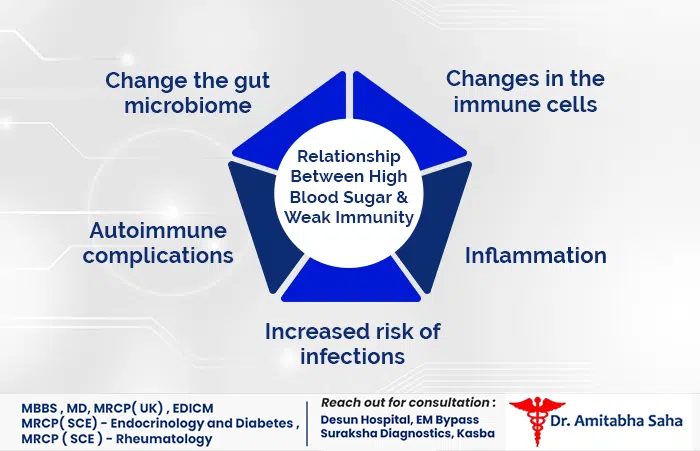
So, let us know the relationship between high blood sugar and the immune system for comprehensive health management.
- Changes in the immune cells: Chronic hyperglycemia, or high sugar levels, impair the functioning of the immune cells, including the neutrophils and macrophages. It even increases white blood cell count, which is responsible for fighting illness, making the individual more susceptible to developing infections.
- Inflammation: Even if high glucose levels do not pose any infections, it can lead to chronic low-grade inflammation, which hinders the immune system from working properly. Over time, if you fail to seek high blood sugar treatment, it can damage healthy cells, tissues and organs and may cause internal scarring, tissue death and damage to the DNA.
- Increased risk of infections: Patients with high glucose have an increased risk of complications due to frequent infections. This is because poorly controlled blood sugar becomes a breeding ground and energy source for bacteria, fungi and yeast. For instance, you will often find women with hyperglycemia suffering from vaginal yeast infections.
- Autoimmune complications: Hyperglycemia is an autoimmune condition, meaning the immune system mistakenly attacks and destroys the healthy tissues. For example, in type 1 diabetes, the infection in the body might result in destroying the beta cells in the pancreas. As a result, the body produces little or no insulin to respond to increased glucose levels.
- Change the gut microbiome: There is an interaction between gut microbiome and immune response. When individuals have high sugar levels, it leads to an imbalance in the number of beneficial bacteria in the gut, which disrupts the digestive system.
Conclusion
There is an intricate relationship between high blood sugar levels and the immune system, making it necessary for effective management of the condition. It is essential for a person with increased glucose levels to seek high blood sugar treatment in Kolkata through medication adherence and lifestyle modifications tailored as per their requirements.